
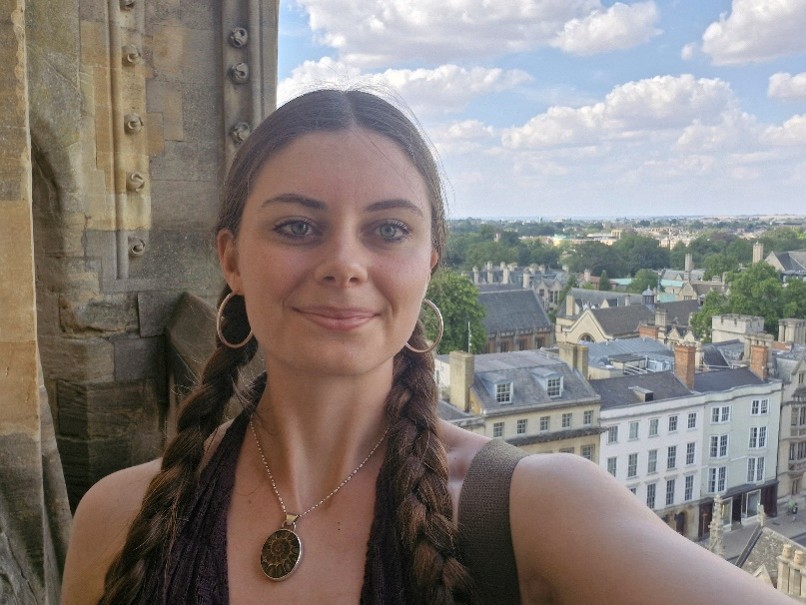
On a sunny day in June, I arrived at Lady Margaret Hall with a mix of excitement, curiosity, and the slightly surreal feeling of stepping into a place I had only ever seen in photos. I expected the programme to be academically enriching, but I didn’t anticipate just how much the experience would broaden my perspective and shape the way I think about leadership. Those three weeks ended up being a blend of friendship, discovery, challenge, and study; an experience that reshapes you in ways that only become clearer in hindsight.
Once I settled in, I learned more about LMH itself. For those who aren’t familiar, Lady Margaret Hall was founded in 1878 as the first Oxford college to admit women, a bold and radical act at a time when women were excluded from most formal academic spaces. Beginning my studies in a place built specifically to expand educational access felt deeply meaningful. As someone who is deeply passionate about women’s opportunities in education and leadership, walking through a college that began as a space for women who were excluded elsewhere made me reflect on how leadership often starts with opening doors for others. LMH’s history became a quiet but powerful part of my experience.
The academic side of the programme was definitely one of the highlights. Studying Oxford and the Rise of Fantasy Literature was a complete shift from my usual STEM‑focused world. Instead of experiments and data, I spent my days analysing symbolism, mythmaking, and cultural narratives. The course was led by Dr Julie Dresvina, whose passion for medieval literature and storytelling made every seminar feel alive. Her enthusiasm set the tone for the entire programme, she encouraged us to think deeply, question boldly, and appreciate the strange, wonderful ways stories evolve over time.
I also got to experience the Oxford tutorial system, which was unlike anything I’d done before. Sitting in a small group, discussing ideas directly with a tutor, and defending my interpretations pushed me to articulate my thoughts more clearly and trust my own voice. It was challenging, but in the best way.
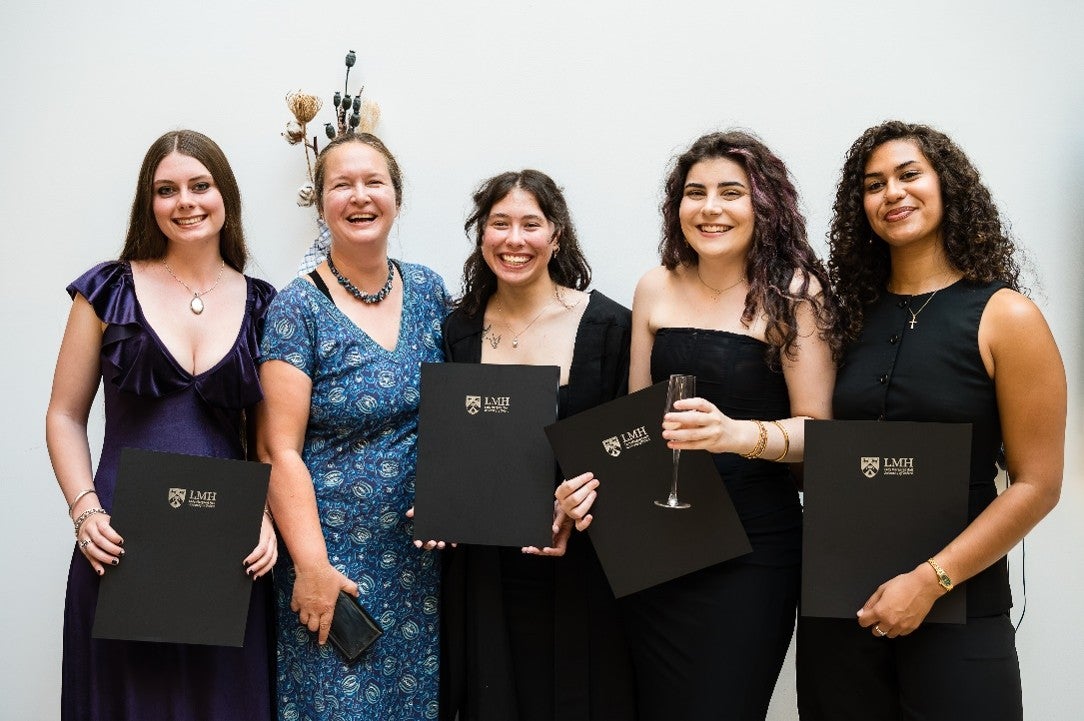
As a Tolkien fan, Oxford was a treasure trove. I got to see the colleges where he studied and taught, walk past pubs where the Inklings met, and visit places that inspired Middle‑earth. The absolute highlight was handling first editions of his works during class; fragile, beautiful books that felt like holding a piece of literary history.
Oxford’s literary history didn’t stop with Tolkien. Visiting Christ Church College brought Alice in Wonderland to life, and seeing the Harry Potter filming locations added a layer of magic to the experience. Walking through those spaces made me reflect on how creativity shapes the way people understand themselves and the world. As someone who usually operates in the medical sphere, being surrounded by this literary heritage pushed me to think more broadly about how leaders communicate and inspire.
Beyond the academic and literary experiences, Oxford itself became part of my learning. Every morning I walked through streets lined with centuries‑old buildings, past colleges that had shaped thinkers, writers, scientists, and leaders. Visiting the Ashmolean Museum, with its mix of art, archaeology, and history, reminded me how knowledge builds on itself across cultures and centuries.
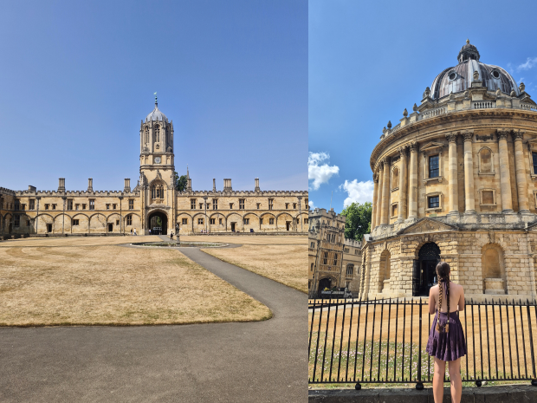
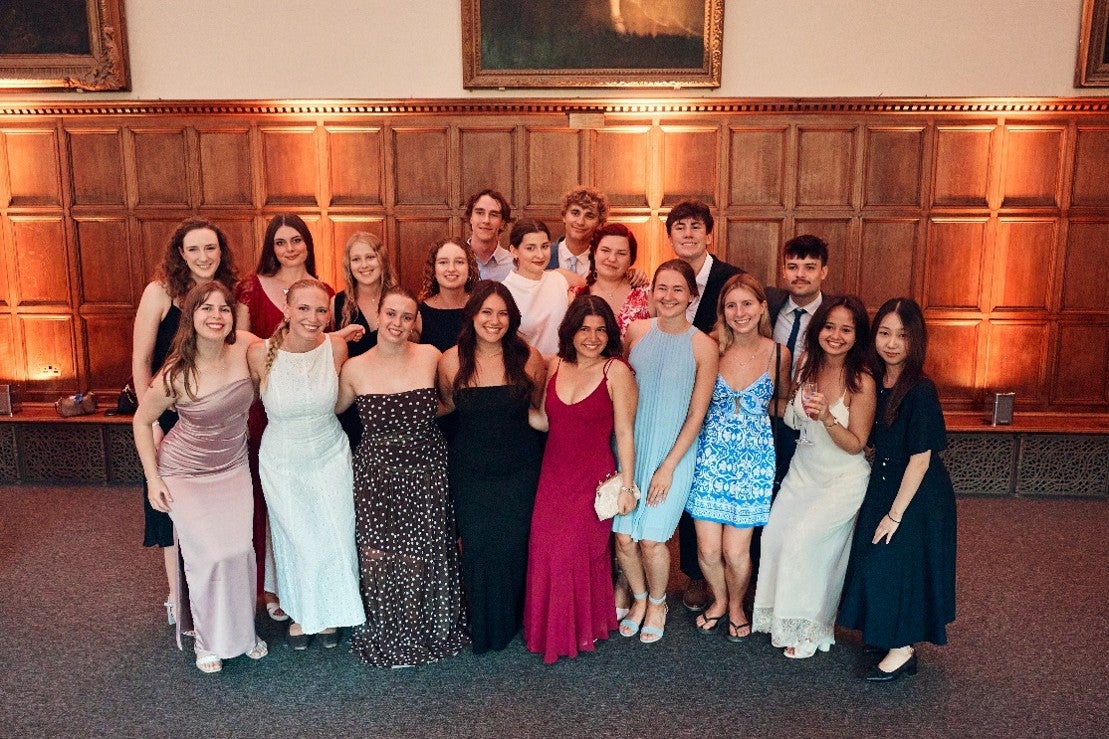
The social side of the programme was equally memorable. The formal banquet dinners were a highlight: sitting in LMH’s hall, dressed up, sharing meals with students from around the world, and experiencing a tradition that has shaped Oxford life for generations. Those evenings felt like a blend of ceremony and community, and they reminded me how important shared experiences are for building connection and belonging.
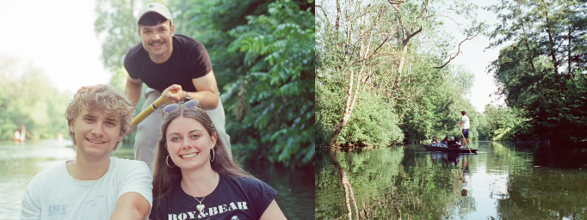
Travelling also pushed me to be more independent. Navigating a new city, managing my own schedule, and adapting to a different academic rhythm all required confidence and initiative. I didn’t realise how much I relied on familiar routines until I didn’t have them. And, surprisingly, the most challenging part of the entire trip wasn’t the essay writing — it was punting. Trying to balance on a narrow boat, steer with a long pole, and not fall into the River Cherwell was far harder than any academic task. But that moment of wobbling, laughing, and trying again taught me something important: leadership often shows up in the small moments where you choose to persist, even when you feel out of your depth.
The people I met were perhaps the most transformative part of the experience. LMH brought together students from all over the world, each with their own stories, cultures, and ways of thinking. Some of the best conversations happened late at night in the common room or while exploring Oxford together. Hearing how others approached problems, how they understood their own countries, and how they saw global issues gave me a much broader perspective. It made me realise how important it is for leaders to listen, genuinely listen, to people whose experiences differ from their own.
There were moments when I caught myself rethinking assumptions I didn’t even know I had. Someone would share a perspective shaped by their upbringing or education, and I’d realise how narrow my own view had been. Those conversations taught me humility. They reminded me that leadership isn’t about being the loudest voice or the most knowledgeable person in the room. It’s about creating space for others, recognising the strengths they bring, and being willing to learn from them.
I’m also deeply aware that this experience was made possible through the support of organisations that believe in developing future leaders. The Liveris Academy has opened doors I never expected to walk through, and its support for international learning has been instrumental in shaping my growth. Additionally, receiving the Wordsworth Scholarship from LMH was an honour, and it motivated me to make the most of every moment. Knowing that others have invested in my development makes me want to use what I’ve learned to contribute meaningfully to my community and future career.
When I think about how this experience has shaped me as a leader, a few themes stand out. I’ve become more globally minded, more aware of how interconnected our challenges and opportunities are. I’ve become more comfortable with uncertainty and more willing to step outside my comfort zone. I’ve learned the value of interdisciplinary thinking and the importance of creativity in problem‑solving. And I’ve gained a deeper appreciation for the role of empathy, listening, and cultural awareness in leadership.
Most of all, Oxford reminded me that leadership is not a fixed identity. It’s something you grow into through experiences that challenge you, broaden you, and make you see the world differently. My time at LMH did exactly that. I left with new friendships, new ideas, and a perspective that feels wider than the one I arrived with. And I know those lessons will continue to shape the kind of leader I become; one who keeps exploring new worlds, whether they begin with a wardrobe door or a winding road through Middle‑earth.


